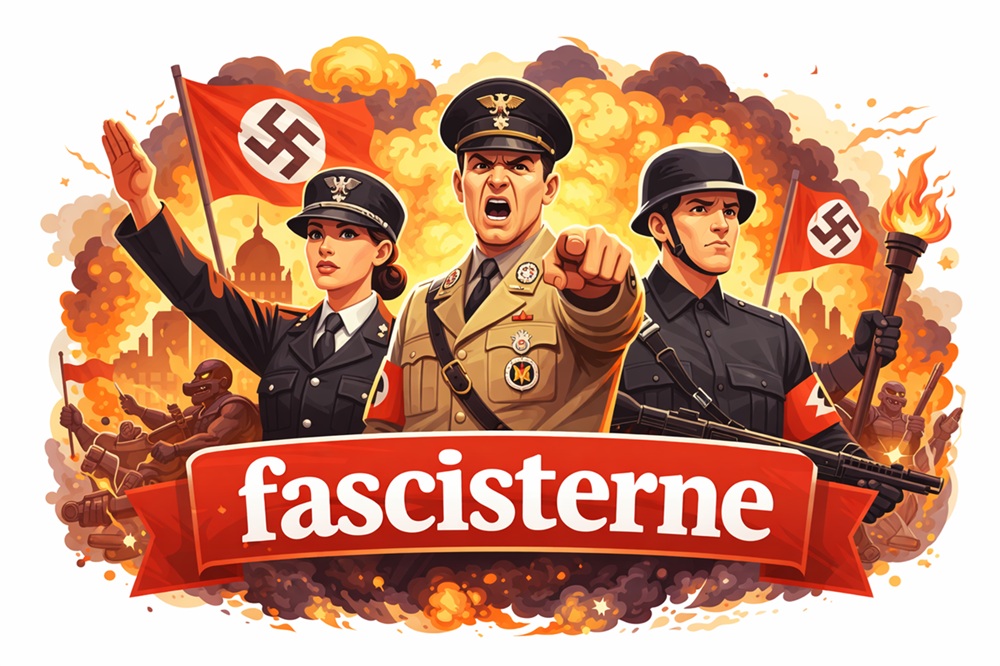

The term fascisterne is widely used in Scandinavian languages, especially Danish and Norwegian, and translates to “the fascists” in English. It refers to individuals or groups associated with the political ideology of Fascism.
Understanding fascisterne is important not only for historical knowledge but also for recognizing how such ideologies have shaped modern politics and societies. This article provides a comprehensive and detailed look into the meaning, origins, characteristics, and lasting impact of fascisterne.
What Does Fascisterne Mean?
Definition and Translation
The word “fascisterne” literally means:
- “The fascists” (plural)
It is used to describe people who support or follow fascist principles, which emphasize strong leadership, nationalism, and centralized control.
Context of Usage
The term is commonly used in:
- Historical discussions
- Political debates
- Academic studies
It can refer both to specific historical groups and modern ideological discussions.
Origin and Rise of Fascism
Birth of Fascism in Europe
Fascism first emerged in the early 20th century, particularly in Italy under the leadership of Benito Mussolini.
Mussolini introduced fascism as a response to:
- Political instability
- Economic crises
- Fear of socialism
Spread Across Europe
The ideology quickly spread to other countries, most notably Germany under Adolf Hitler.
Although Nazism had its own unique features, it shared many core elements with fascism.
Key Characteristics of Fascisterne
1. Authoritarian Leadership
Fascist systems are led by a single powerful leader who:
- Makes major decisions
- Controls government institutions
- Limits democratic processes
2. Extreme Nationalism
Fascisterne often promote:
- National pride
- Cultural unity
- Belief in national superiority
3. Suppression of Opposition
Opposition is typically:
- Silenced
- Censored
- Punished
Freedom of speech and press are often restricted.
4. Control Over Society
Fascist regimes control:
- Media
- Education
- Economy (to some extent)
This ensures alignment with state ideology.
Fascisterne and World War II
Role in Global Conflict
Fascist regimes played a major role in World War II.
Key factors included:
- Expansionist policies
- Military aggression
- Alliances between fascist states
Consequences
The actions of fascisterne during this period led to:
- Massive loss of life
- Destruction of cities
- Long-term global political changes
Impact of Fascisterne on Society
Political Impact
Fascism reshaped global politics by:
- Demonstrating dangers of authoritarian rule
- Influencing future political systems
Social Impact
Societies under fascist regimes experienced:
- Loss of freedoms
- Increased surveillance
- Propaganda-driven culture
Economic Impact
While some regimes initially improved infrastructure, long-term effects often included:
- Economic instability
- War-related destruction
Fascisterne vs Other Political Systems
| Feature | Fascism | Democracy | Communism |
|---|---|---|---|
| Leadership | Single leader | Elected leaders | Party-controlled |
| Freedom | Limited | High | Limited |
| Opposition | Suppressed | Allowed | Restricted |
| Media | Controlled | Free | Controlled |
Modern Use of the Term Fascisterne
1. Historical Reference
Used to describe actual fascist movements in the 20th century.
2. Political Label
Sometimes used in modern debates to criticize:
- Authoritarian behavior
- Extreme nationalism
However, misuse of the term can lead to confusion.
Common Misconceptions About Fascisterne
Myth 1: All Strong Governments Are Fascist
Not true—fascism has specific characteristics beyond strong leadership.
Myth 2: Fascism Exists Only in the Past
While classic fascism declined, similar ideas can still appear in modern politics.
Myth 3: Fascism and Nazism Are Identical
They are related but not exactly the same.
Why Understanding Fascisterne Matters Today
Understanding fascisterne helps:
- Recognize threats to democracy
- Learn from historical mistakes
- Promote political awareness
It is a key part of global history and civic education.
Frequently Asked Questions (FAQs)
1. What does fascisterne mean?
It means “the fascists” and refers to supporters of fascism.
2. Who were the most famous fascisterne?
Leaders like Benito Mussolini and Adolf Hitler.
3. Is fascism still present today?
While not in its original form, similar ideas can still appear.
4. What are the main features of fascism?
Authoritarian rule, nationalism, and suppression of opposition.
5. How did fascisterne impact history?
They played a major role in World War II and global political changes.
6. Is fascism the same as dictatorship?
Fascism is a type of dictatorship with specific ideological elements.
Conclusion
The term fascisterne represents one of the most significant and controversial political ideologies in modern history. Rooted in authoritarian control and extreme nationalism, fascism shaped global events and left a lasting impact on societies worldwide.
By understanding fascisterne, we gain valuable insights into the importance of democracy, freedom, and human rights. Learning from history ensures that such ideologies are recognized and challenged in the future.