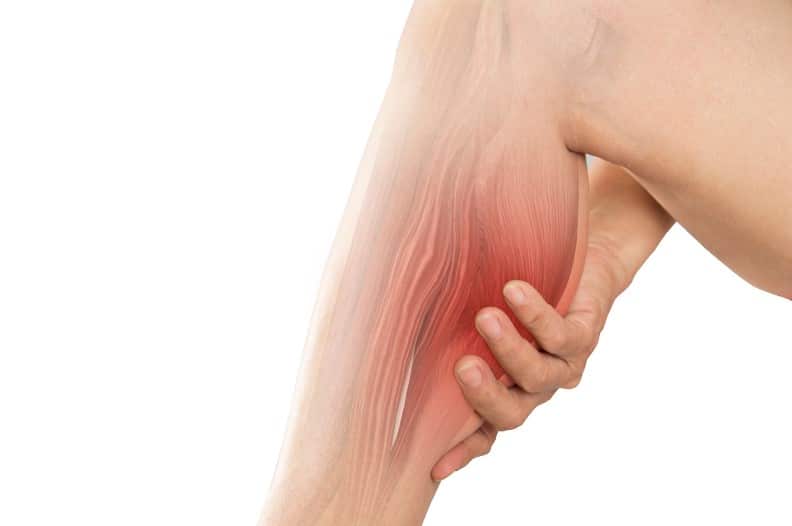

Most people have experienced muscle soreness after a challenging workout, a long hike, or even a weekend spent doing physical tasks they are not used to. In many cases, the discomfort fades within a few days. However, some people find that soreness lingers much longer than expected, affecting daily activities and making it difficult to return to their normal routine.
While temporary muscle soreness is a natural response to physical exertion, prolonged discomfort can raise questions. Understanding the factors that influence recovery can help explain why some people bounce back quickly while others need more time.
Key Takeaways
- Muscle soreness does not always resolve at the same pace for everyone.
- Exercise intensity, age, sleep quality, hydration, and nutrition can all influence recovery.
- Inflammation plays an important role in how muscles respond to physical stress.
- Recovery involves more than rest alone; lifestyle habits matter too.
- Persistent or severe muscle pain should be evaluated by a healthcare professional.
Not All Muscle Soreness Is the Same
Many people assume that soreness after exercise reflects a successful workout. While some degree of discomfort is common, the duration and intensity can vary significantly.
One common type is delayed onset muscle soreness, often called DOMS. This soreness typically develops several hours after unfamiliar or intense activity and peaks within one to three days.
The body’s response depends on multiple factors, including fitness level, exercise history, and overall health. What feels like a normal recovery period for one person may feel unusually long for another.
As researchers continue exploring recovery strategies, several studies have investigated Red Light Therapy for its potential effects on muscle recovery and cellular function following physical activity. Scientific interest in this area reflects a broader effort to understand how the body repairs itself after exercise-induced stress.
Exercise Intensity Can Extend Recovery Time
One of the most common reasons soreness lasts longer is simply doing more than the body is prepared for.
High-intensity workouts, resistance training, and activities involving eccentric movements place significant stress on muscle fibers. Eccentric movements occur when muscles lengthen while under tension, such as lowering a weight or walking downhill.
These movements can create microscopic damage within muscle tissue. The body then initiates a repair process, which contributes to soreness and stiffness. The greater the physical challenge, the longer recovery may take.
Age Influences Recovery
Recovery often changes with age. Younger individuals generally repair muscle tissue more efficiently and recover more quickly from physical stress. As people get older, several biological processes slow down, including tissue repair and protein synthesis.
This does not mean older adults cannot recover well. However, they may need more time between intense training sessions and may benefit from a greater focus on recovery habits.
Sleep Plays a Bigger Role Than Many Realize
Quality sleep supports nearly every aspect of recovery. During sleep, the body performs important repair processes that help muscles recover from physical stress. Growth hormone production increases, damaged tissues begin to heal, and inflammation is regulated.
Poor sleep can interfere with these processes and may contribute to prolonged soreness. Many people focus heavily on exercise and nutrition while overlooking the importance of consistent, restorative sleep.
Nutrition Supports the Repair Process
Muscles require nutrients to recover effectively. Protein provides the building blocks needed to repair and rebuild muscle tissue. Carbohydrates help replenish energy stores that become depleted during exercise.
Inadequate nutrition can slow recovery and increase feelings of fatigue. Even mild nutritional deficiencies may affect how efficiently the body repairs damaged tissue. Hydration also matters. Dehydration can impair muscle function and contribute to feelings of stiffness and discomfort.
Inflammation Is Part of Recovery
Inflammation often receives negative attention, but it serves an important purpose. After intense activity, the body triggers an inflammatory response that helps remove damaged tissue and initiate healing. Problems can arise when inflammation becomes excessive or persists longer than necessary.
Factors such as chronic stress, inadequate recovery, poor sleep, and certain health conditions may influence how the body regulates inflammation. This can affect both the intensity and duration of muscle soreness.
Recovery Science beyond Rest and Nutrition
Among the various recovery technologies being explored today, Celluma red light therapy has attracted attention within sports recovery and wellness discussions. Researchers have examined how specific wavelengths of red and near-infrared light interact with biological tissues and cellular processes.
Current research continues to investigate potential effects on circulation, cellular energy production, and recovery-related mechanisms. While scientific interest remains strong, experts generally emphasize that such approaches should be viewed within the broader context of healthy recovery habits rather than as standalone solutions.
Stress Can Slow Physical Recovery
Many people think of recovery as purely physical, but mental stress can influence the process as well.
Chronic stress affects hormone levels and may contribute to increased inflammation throughout the body. It can also disrupt sleep and influence lifestyle choices that support recovery.
When stress remains elevated for extended periods, muscles may take longer to feel fully recovered after physical activity.
When Soreness Deserves More Attention
Not all pain should be dismissed as normal muscle soreness. Symptoms such as severe swelling, sharp pain, significant weakness, or soreness that continues for weeks may indicate something more serious than routine exercise-related discomfort.
Seeking medical advice is important when symptoms seem unusual or interfere with daily activities.
Supporting Faster Recovery
Muscle soreness is a normal part of physical activity, but its duration can vary widely. Exercise intensity, age, sleep quality, nutrition, hydration, inflammation, and stress all influence how quickly the body recovers.
Rather than focusing on a single recovery method, experts generally recommend a comprehensive approach that includes adequate rest, balanced nutrition, regular movement, stress management, and consistent sleep.
Understanding these factors can help explain why soreness sometimes lasts longer than expected and provide practical steps for supporting healthier recovery over time.